Login Form
Registration
Profile Informations
Login Datas
or login
Curious About Botox? Here's How Long Does Botox Last and What to Expect
Curious About Botox? Here's How Long Does Botox Last and What to Expect
You’ve probably noticed the smooth foreheads and fresh-faced look on celebrities — or maybe a coworker came back from lunch looking oddly refreshed. Botox has become almost as common as a haircut in some circles, but a lot of people still wonder what actually happens with those tiny injections.
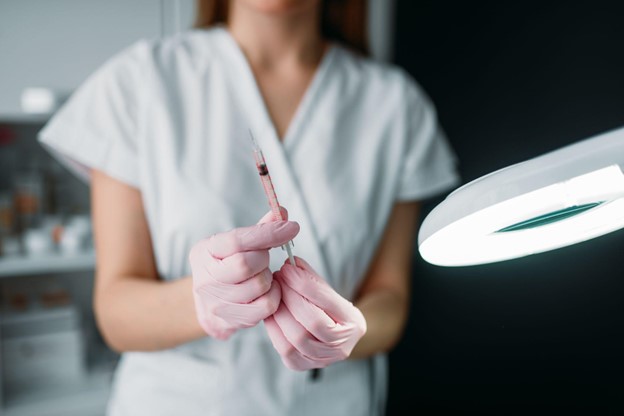
Here’s the simple truth. Botox is a purified protein made from botulinum toxin type A. Don’t let the word “toxin” freak you out — in small, controlled doses used by medical professionals, it’s very safe. Doctors inject tiny amounts into specific muscles to relax them temporarily, which smooths out wrinkles and fine lines. While most people think of Botox as a cosmetic treatment, it’s also used for medical issues like chronic migraines, excessive sweating, and muscle spasms.
The treatment has gained massive popularity because it's quick, relatively painless, and doesn't require surgery or significant downtime. You can literally get Botox during your lunch break and return to work immediately after.
How Long Does Botox Last?
Here's the reality check you need. Botox isn't permanent, and that's actually a good thing. Most people see results that last between three to six months. This timeframe gives you flexibility to adjust your treatment or stop altogether if you're not happy with the results.
Factors That Influence Botox Longevity
Several elements determine exactly how long does Botox last for you personally:
- Age and skin condition: Younger skin with less severe wrinkles may show results longer
- Treatment area: Areas with more muscle movement break down Botox faster than less active zones
- Metabolism: Faster metabolisms process the protein more quickly, leading to shorter-lasting results
- Dosage and technique: An experienced injector can place Botox precisely for optimal longevity
- Treatment history: Regular users often report longer-lasting effects over time
Average Duration of Botox Effects
While individual experiences vary, most people notice their Botox effects starting to wear off around the three to four-month mark. First-time users sometimes find their results don't last quite as long as subsequent treatments. Regular Botox users often report longer-lasting effects over time, sometimes extending to five or six months between appointments.
Why Botox Doesn't Last Forever
Your body naturally breaks down the Botox protein over time. As this happens, nerve signals gradually return to the treated muscles, allowing them to contract again. The temporary nature of Botox actually offers advantages. You can try the treatment without permanent commitment, and your provider can adjust your next session based on your results and preferences.
How Long Does Botox Take to Work?
Patience is required when it comes to seeing your Botox results. Unlike dermal fillers that provide instant volume, Botox needs time to take effect. Understanding this timeline helps set realistic expectations.
Initial Effects of Botox
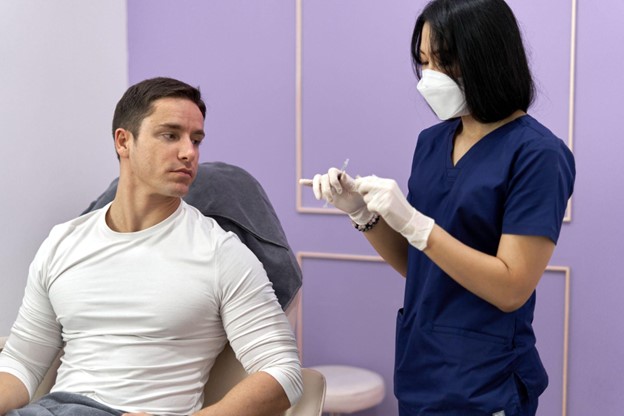
You might notice subtle changes within 24 to 48 hours after your injections. Some people report feeling a slight tightness in the treated area. However, these early sensations don't represent your final results. The magic really starts happening during the first week as the Botox begins relaxing your targeted muscles.
Full Results Timeline
The complete answer to how long does Botox take to work is typically 10 to 14 days. This is when you'll see the maximum smoothing effect and can properly evaluate your results. Some providers schedule follow-up appointments around the two-week mark to assess whether any touch-ups are needed.
During this waiting period, avoid panicking if one side seems to be working faster than the other. Asymmetrical timing is normal, and both sides usually even out by day 14.
How Long for Botox to Work Depending on the Area Treated?
Different facial areas respond at varying speeds:
- Forehead lines: Often show improvement within three to five days
- Crow's feet: Typically follow a similar timeline to forehead treatments
- Glabellar lines (between eyebrows): Might take the full two weeks to reach peak smoothness
- Medical treatments: Migraine relief might take two to four weeks to fully develop
Factors That Impact Botox's Effectiveness
Understanding what influences your results helps you make informed decisions and potentially extend your Botox longevity.
Individual Metabolism
Your metabolic rate directly affects how quickly your body processes Botox. People with naturally faster metabolisms tend to break down the protein more rapidly, which can shorten the duration of results. While you can't change your baseline metabolism, knowing this helps explain why your timeline might differ from your friend's experience.
Muscle Strength and Size
Stronger, larger muscles require more Botox to achieve the desired effect and may metabolize it faster. If you have particularly active facial expressions or well-developed facial muscles, you might need slightly higher doses or more frequent treatments to maintain results.
Frequency of Botox Treatments
Regular treatments can actually train your muscles to stay relaxed longer. Many people who stick with consistent Botox schedules find they can gradually extend the time between appointments. This happens because repeatedly relaxed muscles may become somewhat conditioned to remain less active.
Lifestyle Factors
Your daily habits matter more than you might think. These lifestyle elements can influence how long Botox lasts:
- Exercise intensity: Excessive workouts immediately after treatment may cause Botox to spread
- Sun exposure: UV damage breaks down skin quality and may affect results' duration
- Smoking: Tobacco use decreases circulation and can shorten Botox effectiveness
- Stress levels: High stress increases facial muscle tension, potentially reducing results
- Skincare routine: Proper care supports overall appearance, though it won't directly extend Botox duration
What to Expect During and After Botox Treatment
Walking into your first Botox appointment can feel nerve-wracking. Knowing what happens during and after the procedure helps calm those jitters.
Botox Procedure Overview
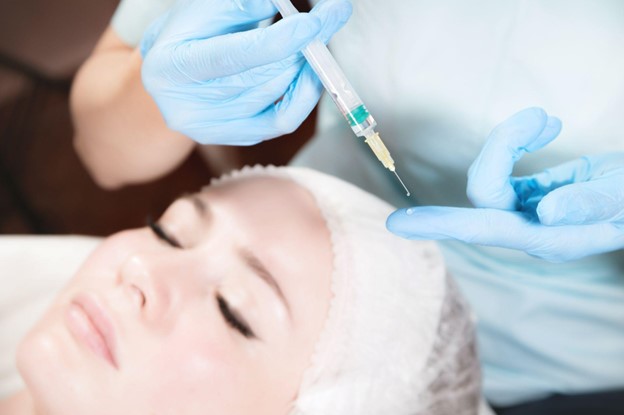
Your appointment will likely last only 10 to 20 minutes. After discussing your goals and examining your facial structure, your provider will mark the injection sites. They'll use a very fine needle to inject small amounts of Botox into specific muscles. Most people describe the sensation as a slight pinch or mosquito bite.
The number of injections depends on the treatment area. Forehead lines might require five to seven injections, while crow's feet typically need three to five per side.
Immediate Aftercare
Post-treatment care is straightforward but important. Your provider will likely recommend these guidelines:
- Avoid lying down for four hours after treatment
- Skip strenuous exercise for 24 hours
- Don't massage or rub the treated areas
- Stay upright to prevent Botox migration
- Avoid alcohol for 24 hours to reduce bruising risk
You can return to most normal activities immediately. Apply makeup if needed, though waiting a few hours is ideal. Small bumps or redness at injection sites typically disappear within an hour or two.
Potential Side Effects
Most side effects are minor and temporary. You might experience slight bruising, swelling, or redness at injection sites. Headaches can occur within the first 24 hours but usually resolve quickly. Rarely, some people develop temporary eyelid drooping if Botox migrates, which corrects itself as the product wears off.
Serious complications are extremely rare when Botox is administered by qualified professionals. This is why choosing an experienced, licensed provider is crucial.
Making Your Botox Decision
Botox offers a proven way to smooth wrinkles and address certain medical conditions with minimal downtime. How long does Botox last? It typically ranges from three to six months, while how long does Botox take to work usually spans 10 to 14 days for full results. Understanding how long Botox takes to work in different areas helps you plan your treatment timing around special events or personal goals.
Your individual results depend on metabolism, muscle characteristics, treatment frequency, and lifestyle choices. Working with a skilled provider who understands these variables ensures you get optimal results tailored to your unique needs. Remember that Botox is temporary, giving you the freedom to adjust your approach as your goals change over time.