Login Form
Registration
Profile Informations
Login Datas
or login
What Not to Do After Botox: The Top 5 Things to Avoid for a Safe Recovery
What Not to Do After Botox: The Top 5 Things to Avoid for a Safe Recovery
You've finally taken the plunge and gotten Botox. Maybe you want to smooth stubborn forehead lines or lessen crow's feet. Whatever the reason, you're likely eager to see the results. What you do in the hours and days after your treatment matters just as much as the procedure itself.
Botox is one of the most popular cosmetic treatments worldwide—and for good reason. The injections temporarily relax facial muscles to soften wrinkles and fine lines. Besides cosmetic uses, Botox also treats medical issues like chronic migraines, excessive sweating, and muscle spasms. The procedure is quick, minimally invasive, and usually needs no downtime, which makes it a good choice for people with busy lives.
However, the success of your Botox treatment doesn't end when you leave the clinic. Proper aftercare plays a critical role in achieving the smooth, natural-looking results you're after. This article will walk you through the top five things to avoid after getting Botox, ensuring your recovery is safe and your results are exactly what you envisioned.
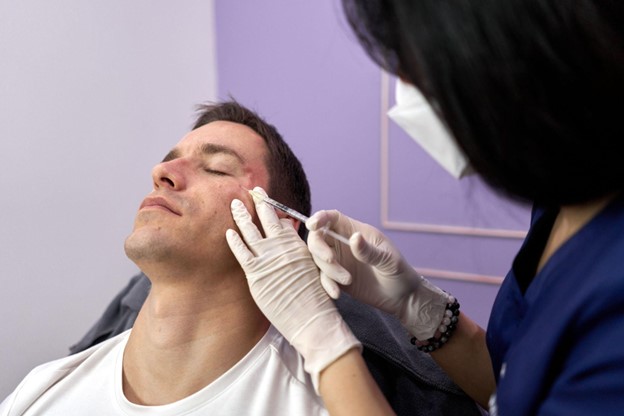
What Not to Do After Botox – Introduction to the 5 Key Guidelines
Understanding what not to do after Botox can make the difference between excellent results and disappointing ones.
Importance of Following Post-Botox Guidelines
Your provider injects Botox into specific facial muscles to achieve targeted results. During the first several hours after treatment, the product remains relatively mobile within the injection site. Any unnecessary pressure, movement, or activity can cause the Botox to migrate to adjacent muscles, leading to unwanted effects like drooping eyelids or an uneven appearance.
Overview of the Top 5 Things to Avoid for Safe Recovery
By avoiding these common mistakes, you'll minimize your risk of complications and maximize your chances of achieving beautiful, natural-looking results. Let's explore what not to do 24 hours after Botox and beyond.
Avoid Touching or Massaging the Treated Area
This is perhaps the most important rule to remember after your treatment.
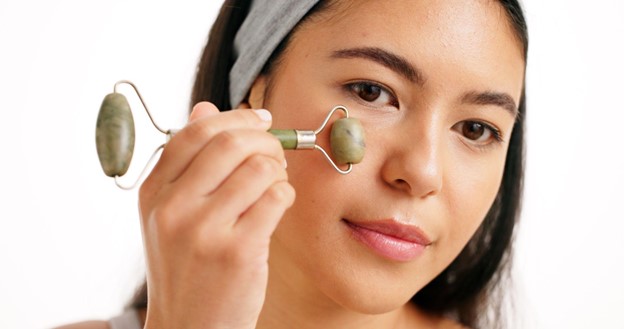
Why You Shouldn't Touch the Botox Injection Sites
Your hands carry bacteria, and touching your face increases the risk of infection at the injection sites. More importantly, any pressure on the treated areas can cause the Botox to spread to nearby muscles. This migration can result in unintended muscle relaxation, potentially affecting your facial expressions in ways you didn't plan for.
How Massaging Affects Botox
Some people instinctively want to rub or massage the treated areas, especially if there's slight tenderness or swelling. Resist this urge. Massaging can push the Botox away from the target muscles, reducing effectiveness in the intended areas while potentially causing side effects in others.
Post-Treatment Care Tips
If you experience mild discomfort, apply a cold compress gently to the area without applying pressure. Here's what to avoid for at least one week:
- Professional facial massages or treatments
- Microdermabrasion or chemical peels
- Any skincare routines involving rubbing or manipulation
- Sleeping face down on your pillow
Avoid Lying Down or Sleeping Flat for the First 4 Hours
This guideline often surprises first-time Botox patients, but it's an essential part of what not to do 24 hours after Botox.
After your treatment, stay upright for at least four hours. Lying down too soon can encourage the Botox to migrate due to increased blood flow to your face when horizontal. Keep your head elevated and avoid bending over or doing activities that require you to lean forward significantly.
If you had an early morning appointment, this shouldn't be a problem. However, if you scheduled an afternoon or evening session, plan accordingly. Bring a good book, catch up on some work while sitting, or run errands that keep you on your feet.
Avoid Strenuous Exercise and High-Heat Environments for 24 Hours
Physical activity is generally healthy, but timing matters when you've just had Botox.
Vigorous exercise increases blood flow throughout your body, including your face. This heightened circulation can cause the Botox to disperse beyond the intended injection sites. Heat exposure from saunas, steam rooms, hot tubs, or even hot showers should also be avoided during the first 24 hours.
Activities to postpone for at least one day include:
- Running, jogging, or cardio workouts
- Weight lifting or strength training
- High-intensity interval training
- Yoga or Pilates classes
- Hot saunas or steam rooms
- Hot tubs or very hot baths
Stick to lukewarm showers and save the relaxing spa session for next week. Consider this your perfect excuse for a rest day.
Avoid Alcohol and Blood Thinners for 24-48 Hours
What you consume after your treatment matters too, which is an important aspect of what not to do after getting Botox.
Alcohol acts as a blood thinner, increasing your risk of bruising and swelling at the injection sites. While a glass of wine might seem like a nice way to celebrate your treatment, it's better to wait at least 24 to 48 hours. The same goes for other blood-thinning substances.
If you take prescription blood thinners for medical reasons, don't stop them without consulting your doctor. However, mention this to your Botox provider beforehand, as they may take extra precautions during your treatment. If you need pain relief after your procedure, ask your provider which options are safest.
Avoid Excessive Sun Exposure and UV Light for a Few Days
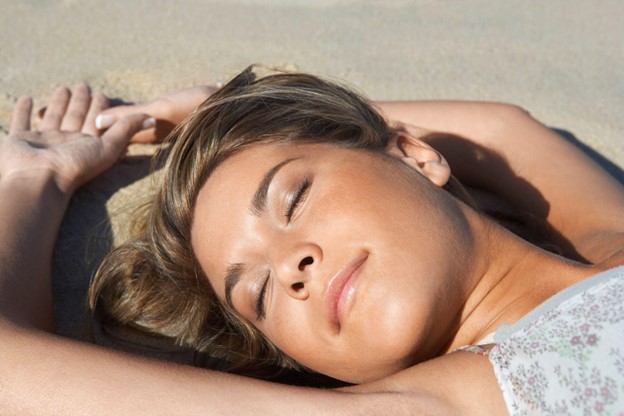
Your skin is more sensitive following Botox injections, making sun protection crucial.
Direct sunlight and UV exposure can increase inflammation and swelling, potentially affecting your results. The heat from sun exposure can also contribute to Botox migration, similar to the concerns with exercise and hot environments. Additionally, sunburn or skin irritation in the treated areas can make it harder to assess your results accurately.
Sun protection strategies include:
- Wearing broad-spectrum sunscreen with SPF 30 or higher
- Using wide-brimmed hats for extra facial protection
- Limiting time in direct sunlight during peak hours
- Avoiding tanning beds completely
- Staying in shaded areas when outdoors
Skip tanning beds entirely—they're not recommended anyway, but they're especially problematic when your skin is recovering from injections.
Additional Tips for a Safe Recovery
Beyond the main five guidelines, a few additional practices can support your recovery and optimize your results.
Hydration and Nutrition
Drinking plenty of water supports your body's natural healing processes. Staying hydrated helps reduce swelling and promotes healthy skin. Eating a balanced diet rich in vitamins and minerals also supports recovery. Foods high in vitamin K, such as leafy greens, may help reduce bruising.
Be Patient
Botox results aren't immediate. It typically takes three to seven days to notice initial effects, with full results appearing within two weeks. Don't panic if you don't see changes right away. Avoid scheduling your treatment right before a major event—give yourself at least two weeks to see final results.
Follow Up with Your Provider
If you experience unusual side effects, significant bruising, or asymmetry that doesn't resolve within two weeks, contact your provider. They may recommend a follow-up appointment to assess your results and make any necessary adjustments.
Conclusion
Botox works best when you follow proper aftercare. Knowing what not to do after treatment helps ensure good results. Keep these five simple rules in mind: don’t touch or massage the treated area; avoid lying down for at least four hours; skip strenuous exercise and hot environments for 24 hours; steer clear of alcohol and blood thinners for 24–48 hours; and limit sun exposure for a few days.
These precautions are easy to follow but make a big difference. Your provider carefully administered the treatment—now it’s your turn to support the results with mindful aftercare. Follow the guidelines, be patient, and you’ll soon see the smooth, refreshed look you wanted.