Login Form
Registration
Profile Informations
Login Datas
or login
Can You Work Out After Botox? The Risks and Benefits of Exercising Too Soon
Can You Work Out After Botox? The Risks and Benefits of Exercising Too Soon
You've just left your cosmetic dermatologist's office with freshly administered Botox, and you're already mentally planning your evening gym session. Hold that thought. While getting Botox injections might seem like a quick procedure that won't interfere with your daily routine, what you do in the hours and days following treatment can significantly impact your results.
Botox has become one of the most sought-after cosmetic treatments worldwide, helping millions reduce fine lines and wrinkles without surgery. However, there's often confusion about post-treatment guidelines, particularly regarding physical activity. Many fitness enthusiasts are left wondering: can you work out after Botox, and if not, why does it matter?
The purpose of this article is to provide a detailed explanation of when it's safe to work out after Botox, the risks of exercising too soon, and the benefits of following post-treatment care to ensure the best results. Understanding the proper aftercare isn't just about following rules—it's about protecting your investment and ensuring the treatment works as intended.
What Happens During a Botox Treatment?
Before discussing whether can you work out after getting botox, it's helpful to understand what actually happens during the procedure.
Understanding the Botox Procedure
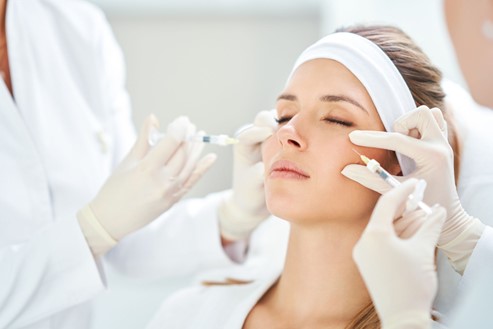
Botox treatment is relatively straightforward and typically takes less than 15 minutes. Your practitioner will use a fine needle to inject small amounts of botulinum toxin into specific facial muscles. Most people describe the sensation as a minor pinch or slight pressure.
The injection sites may show:
- Tiny needle marks that fade within hours
- Slight redness at the injection points
- Mild swelling or bruising in some cases
How Botox Affects the Body
Botox works by temporarily blocking nerve signals to the injected muscles, causing them to relax. This smooths out wrinkles and prevents new ones from forming in the treated areas. However, the substance doesn't instantly settle into place. For the first several hours after injection, the Botox is still diffusing into the surrounding muscle tissue.
This is why your post-treatment activities matter so much—anything that increases blood flow or causes significant facial movement could potentially affect how the product settles and where it ultimately acts. Most people begin noticing results within three to five days, with maximum effects appearing around two weeks after injection.
Can You Work Out After Botox?
This is the question on every active person's mind after receiving treatment. The short answer is that immediate exercise isn't recommended.
Immediate Aftercare Instructions
When you can work out after Botox depends largely on following proper aftercare guidelines. Medical professionals typically advise patients to avoid strenuous exercise for at least 24 hours following their Botox injections.
During the first few hours after treatment, you should:
- Remain upright and avoid lying down for at least four hours
- Avoid touching, rubbing, or massaging the treated areas
- Skip any activities that cause excessive facial movement or strain
- Stay away from heat exposure, including saunas, hot yoga, or direct sun
How Botox Affects Muscle Movement and Exercise
Physical exertion impacts your body in several ways that can interfere with Botox treatment. Exercise increases blood pressure and circulation, which can cause the Botox to migrate from the intended injection sites to surrounding areas. Increased blood flow might also reduce the concentration of Botox in the target muscles, potentially diminishing your results.
Furthermore, vigorous workouts often involve facial expressions—grimacing during a heavy lift, straining during cardio, or scrunching your face during difficult exercises. These movements can disrupt the settling process of the Botox before it has properly bonded to the nerve receptors.
Common Recommendations for Post-Botox Exercise
Healthcare providers generally suggest the following timeline for when you can work out after getting Botox:
- First 24 hours: Avoid all strenuous physical activity
- 24-48 hours: Light walking is typically acceptable
- After 48 hours: Most practitioners approve resuming normal exercise routines
Risks of Exercising Too Soon After Botox
Ignoring the recommended waiting period isn't just about being cautious—there are legitimate concerns associated with exercising too quickly after treatment.
Inisks of Exercising Too Soon After Botox
Working out prematurely can heighten the likelihood of experiencing unwanted side effects:
- Increased bruising: Enhanced circulation can worsen bleeding at injection sites
- Greater swelling: Elevated blood flow can increase inflammation around treated areas
- Prolonged redness: Injection sites may stay red and irritated longer than necessary
Compromising Botox Results
The most significant concern about whether can you work out after getting Botox relates to the effectiveness of your treatment. When Botox migrates due to increased blood flow, several issues can occur:
- The product may not work as effectively in your target areas
- Botox that spreads to unintended muscles can cause unwanted effects like eyelid drooping or asymmetrical results
- Your results might not last as long as expected
Impact on Healing Process
While Botox doesn't require traditional wound healing like surgical procedures, your body still needs time to process the injections properly. Exercising too soon can:
- Increase the risk of infection through sweat and bacterial exposure
- Delay the closure of tiny injection channels
- Cause unnecessary inflammation that extends the time before you see final results
When Can You Safely Resume Exercise After Botox?
Understanding the proper timeline for returning to your fitness routine is essential for achieving optimal results.

The 24-Hour Rule
The most widely accepted guideline is to avoid all forms of strenuous exercise for at least 24 hours after your Botox treatment. This timeframe allows the Botox to begin binding to nerve receptors in your target muscles without interference. When you can work out after Botox is ultimately determined by this critical initial settling period.
Gradual Return to Full Activity
After the initial 24-hour period has passed, most people can safely return to their regular workout routines. However, some practitioners recommend a more cautious approach:
- 24-48 hours post-treatment: Resume light to moderate cardio and basic strength training
- 48-72 hours post-treatment: Return to high-intensity workouts and maximum-effort training
- First week: Monitor how your face responds during workouts
Considerations for Different Types of Exercise
Not all workouts pose the same risk level after Botox treatment.
Higher Risk Activities (wait at least 24-48 hours):
- Hot yoga or Bikram yoga
- High-intensity interval training
- Heavy lifting that causes strain
- Inverted yoga poses where your head is below your heart
Lower Risk Activities (may be acceptable after 24 hours):
- Gentle walking at a comfortable pace
- Light stretching or mobility work
- Low-intensity yoga without inversions
Moderate Risk Activities (use caution):
- Moderate cardio like jogging or cycling
- Standard strength training with moderate weights
- Dance or aerobics classes
Protecting Your Results
It's really not about being too careful to follow post-Botox exercise advice. It's more about understanding the science behind the treatment. This way, you give your body the best shot at getting the results you're hoping for.
The main things to keep in mind are pretty simple. So, can you exercise after Botox? Not right away. You should wait at least 24 hours before hitting any strenuous workouts. Why is this waiting time important? Well, more blood flow and physical stress can make the Botox move around. This could mean you don't get the results you wanted, or you might see some unexpected effects. What happens if you work out too soon? You could end up with more bruising and swelling. Your results might not be as good, and it could even take longer to recover.
When you follow your practitioner's specific aftercare tips and stick to that 24-hour rule, you're really setting yourself up for the best outcome with your Botox. Taking a day or two off from intense exercise is a pretty small price to pay for smooth, natural-looking results that can stick around for months.