Login Form
Registration
Profile Informations
Login Datas
or login
Does Botox Hurt? Pain Levels Explained
Does Botox Hurt? Pain Levels Explained
If you're considering Botox, there's probably one question keeping you up at night: how much is this going to hurt? You're not alone in wondering. Thousands of people every day hesitate before booking their first appointment, worried that the treatment will be unbearable. The good news is that most of the anxiety comes from not knowing what to expect rather than the actual experience itself.
Botox has become one of the most popular cosmetic treatments worldwide, helping people smooth wrinkles, lift their features, and even address certain medical conditions like excessive sweating and migraines. Despite its widespread use, the fear of pain remains a major barrier for many first-timers. Some people imagine long needles and intense discomfort, while others have heard conflicting stories from friends who've tried it.
The purpose of this article is to demystify the pain levels associated with Botox injections, providing you with a clear understanding of what to expect during and after the procedure, as well as how to manage any discomfort.
What Happens During a Botox Treatment?
Let's walk through the typical appointment so you know exactly what's coming.
The Botox Procedure Explained
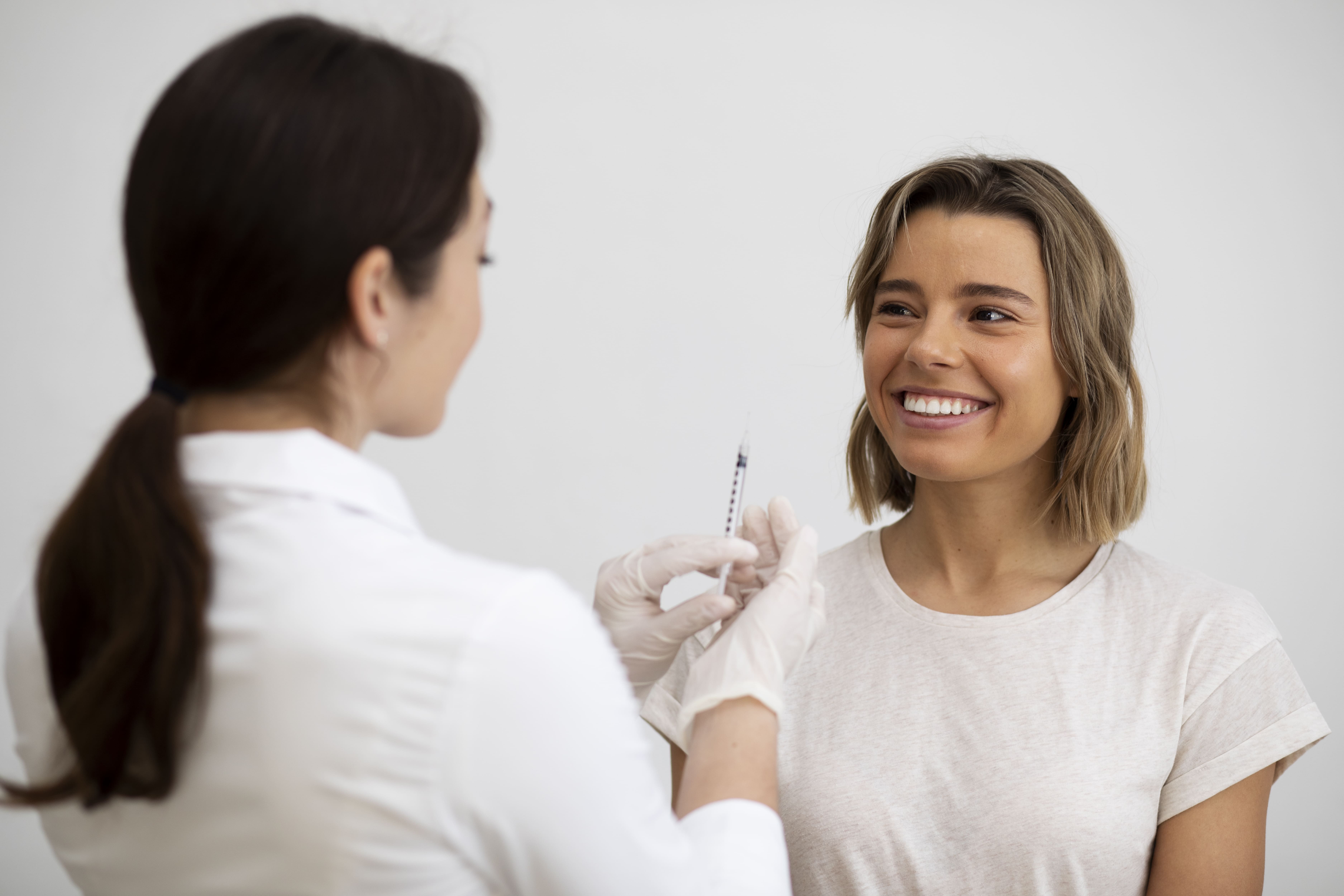
Understanding the process can help ease your concerns about whether does Botox hurt. A typical Botox session is surprisingly quick, usually taking only 10 to 20 minutes from start to finish. Your practitioner will first assess the areas you want to treat and may mark specific injection points on your face.
Here's what typically happens during your appointment:
- Consultation and marking: Your practitioner identifies injection sites
- Skin preparation: The treatment area is cleaned with antiseptic
- Injection process: Multiple small injections are administered quickly
- Post-treatment assessment: Your practitioner checks the sites and provides aftercare instructions
Injection Technique
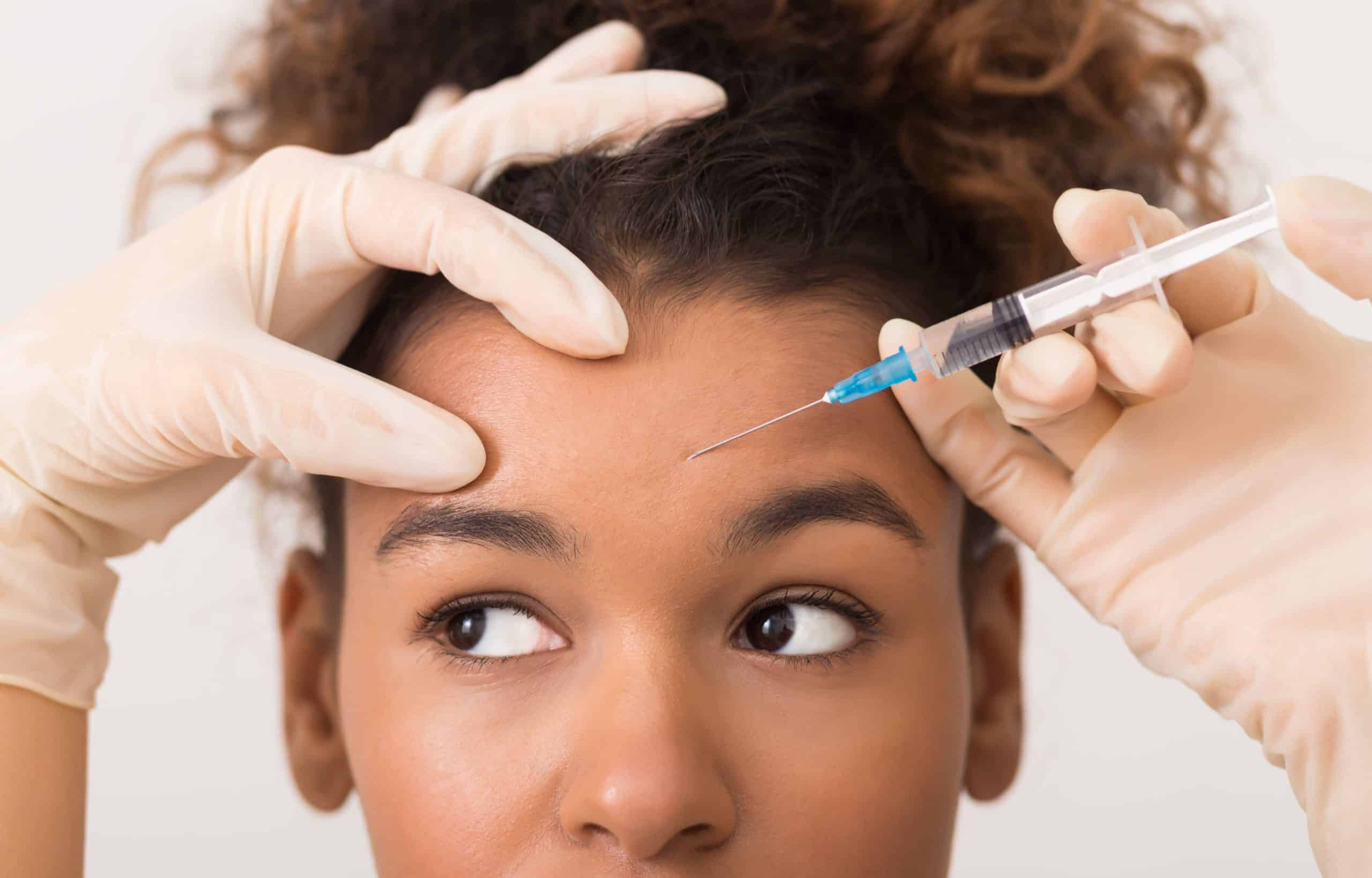
The injection technique plays a significant role in your comfort level. Practitioners use very fine needles, much thinner than those used for typical vaccinations. The needle penetrates only the superficial layers of your skin, reaching the targeted facial muscles without going deep into tissue.
Most treatment areas require multiple small injections rather than one large dose. For example, treating forehead lines might involve five to seven injection points, while crow's feet around the eyes typically need three to five points per side. Each injection takes only a second or two.
Does Botox Hurt? Exploring the Pain Factor
This is the question everyone wants answered before they commit to treatment.
Pain Level During the Botox Injection
Let's address the central question directly: does Botox injection hurt? The honest answer is that yes, you'll feel something, but the sensation is usually mild and very brief. Most patients describe it as a slight pinch, similar to plucking a hair or being snapped by a thin rubber band.
The pain level is generally rated between 1 and 3 on a scale of 10, with 10 being the worst pain imaginable. Here's how patients commonly describe the sensation:
- A quick pinch that's over before you realize it started
- A mild stinging feeling similar to a tiny ant bite
- Light pressure with a brief sharp moment
- Barely noticeable tickling or pricking
Pain Sensitivity Varies by Area
Not all injection sites feel the same. Does getting Botox hurt more in certain areas? Absolutely. The skin on your forehead tends to be less sensitive because it's thicker and has more cushioning. In contrast, areas around the eyes can be more sensitive because the skin here is thinner and more delicate.
|
Treatment Area |
Pain Level (1-10) |
Sensitivity Rating |
|
Forehead |
1-2 |
Low |
|
Between eyebrows |
2-3 |
Moderate |
|
Crow's feet (eyes) |
2-4 |
Moderate to High |
|
Around mouth |
3-4 |
High |
|
Lip area |
3-5 |
High |
Patient Feedback on Pain
Real patient experiences vary, but the overwhelming majority report that their anxiety was worse than the actual treatment. Many first-time patients express surprise at how quick and relatively painless the process is. That said, individual pain tolerance differs significantly from person to person. Your mental state also matters—being anxious and tense can make you more sensitive to discomfort.
Factors That Influence Botox Pain
Several elements determine your comfort level during treatment.
Skin Type and Sensitivity
Your natural skin characteristics affect how much does Botox hurt during treatment. People with naturally sensitive skin or conditions like rosacea may experience slightly more discomfort. Thicker, less reactive skin tends to tolerate injections with minimal sensation.
Experience of the Practitioner
The skill and experience of your injector make a tremendous difference in your comfort level. A seasoned practitioner knows exactly where to place each injection, can work quickly and efficiently, and understands how to minimize discomfort.
Type of Botox and Needle Used
Most practitioners use 30 to 32-gauge needles for Botox injections, which are extremely fine. Some clinics use even thinner 33-gauge needles, which can further reduce discomfort. The sharpness of the needle matters too—fresh, sharp needles glide through the skin more smoothly than dull ones.
Injection Technique and Approach
How your practitioner administers the injections affects your experience significantly. Quick, confident injections typically hurt less than slow, hesitant ones. Some injectors use distraction techniques, such as having you take deep breaths or tapping the skin near the injection site. These small touches can make a noticeable difference in how much does Botox injection hurt during your session.
Botox Pain vs. Other Cosmetic Treatments
Understanding how Botox compares to alternatives helps put the discomfort in perspective.
Comparing Botox Pain to Dermal Fillers
If you're weighing your options, you might wonder how Botox stacks up against other injectables. Dermal fillers typically cause more discomfort than Botox because they involve injecting a thicker substance, often in larger volumes, and sometimes deeper into the tissue. However, many fillers contain lidocaine, a local anesthetic, which helps numb the area during injection.
Botox vs. Surgical Procedures
Compared to surgical cosmetic procedures, Botox is dramatically less uncomfortable. Surgeries require anesthesia, involve cutting and manipulation of tissue, and come with significant recovery pain. Botox requires no downtime, and any discomfort disappears within minutes of leaving the office.
Is Botox Worth the Pain?
The answer depends on what you value and what you're hoping to achieve.
Weighing the Pain Against the Benefits
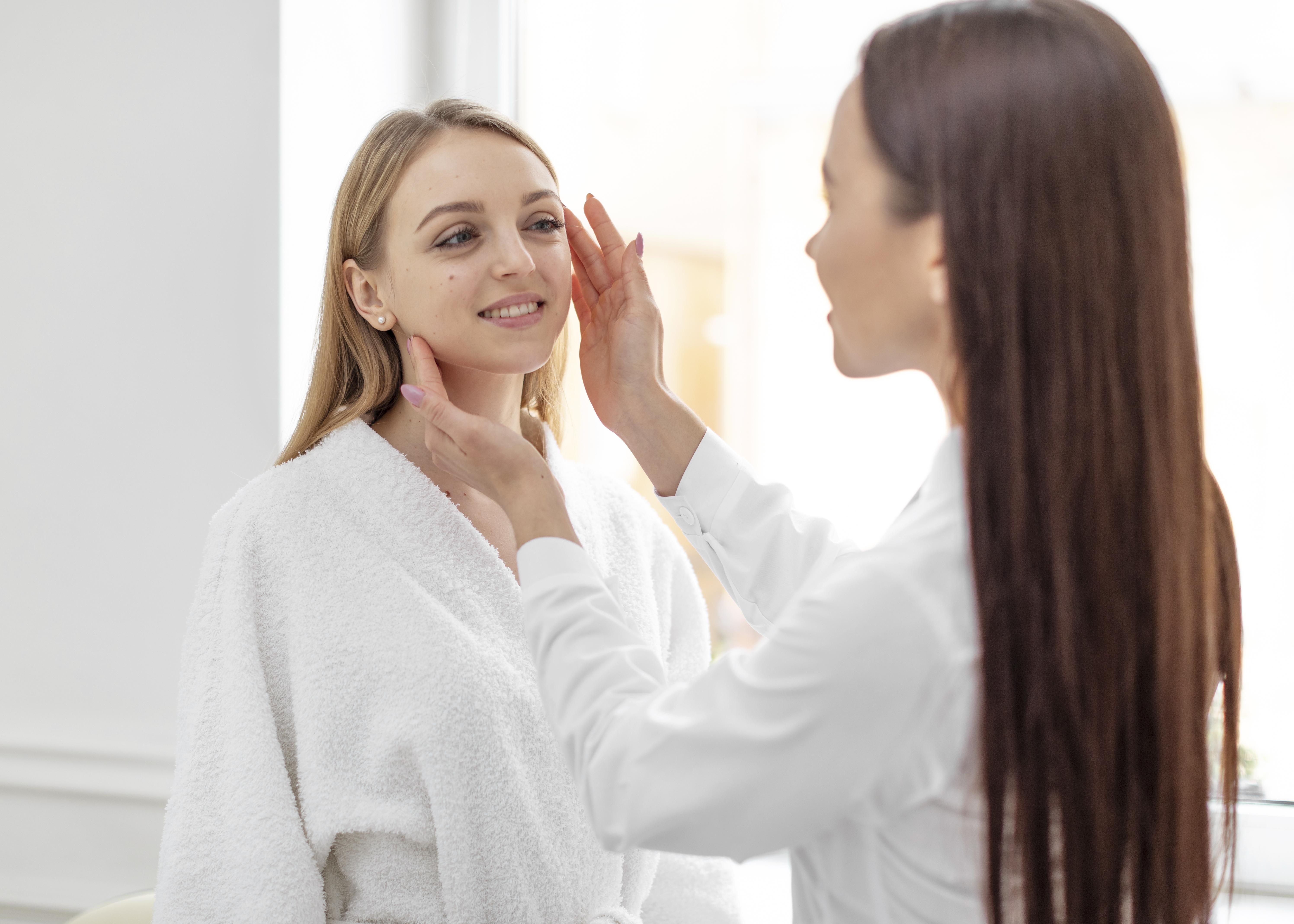
When considering whether does getting Botox hurt enough to avoid it, think about what you're getting in return. The brief discomfort of a few quick pinches gives you results that last three to four months. For many people, the visible reduction in wrinkles and lines significantly boosts their confidence.
Key benefits that outweigh the brief discomfort include:
- Smoother, younger-looking skin that lasts months
- Reduced appearance of fine lines and wrinkles
- Relief from medical conditions like migraines and excessive sweating
- No recovery time or extended pain period
- Quick appointments that fit into busy schedules
Patient Testimonials
People who initially feared Botox pain often become regular patients once they experience how manageable the treatment actually is. The anticipation and buildup beforehand typically exceed the reality of the procedure. Many patients schedule their next appointment before even leaving the office after their first treatment.
Final Thoughts on Botox Pain Levels
So, to sum up the pain part of Botox, it's not totally pain-free, but most people handle it pretty well. The feeling doesn't last long. It's usually called a little pinch or sting. It can feel different depending on where you get the shot, how much pain you can take, and how good your injector is.
If you're worried about feeling pain, chat with your practitioner about what you can do. They might have some ideas to make it hurt less. Things like numbing creams, ice packs, or special ways of giving the shots could help. In the end, lots of people get Botox every day. Most of them think the short, mild discomfort is a small price to pay for the results they want, whether it's for looks or medical reasons.