Login Form
Registration
Profile Informations
Login Datas
or login
Is Botox Permanent? How Long Before You Need a Touch-Up?
Is Botox Permanent? How Long Before You Need a Touch-Up?
Botox has become one of the most talked-about cosmetic treatments in recent years. Walk into any dermatology clinic or medical spa, and you'll likely hear someone discussing their latest appointment. While some people swear by it for smoothing forehead lines, others use it to manage medical conditions like chronic migraines or excessive sweating. But amid all the buzz, one question keeps coming up: Is Botox permanent?
The short answer is no. Botox isn't a one-and-done solution. Understanding why it's temporary, how long results typically last, and when you'll need a touch-up can help you set realistic expectations and plan accordingly.
What Is Botox and How Does It Work?
Before diving into how long Botox lasts, it helps to understand what this treatment actually does to your facial muscles.
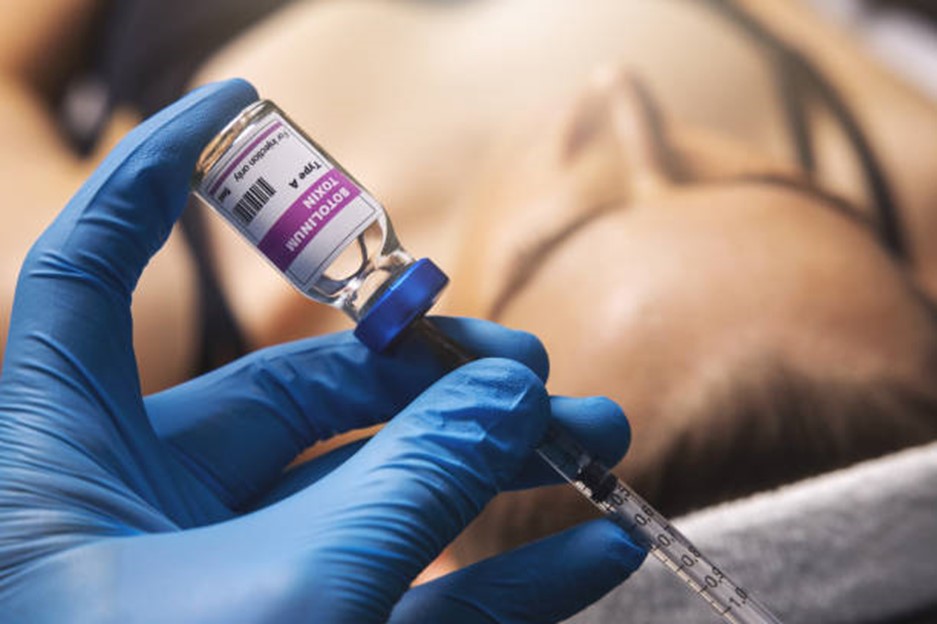
Explanation of Botox
Botox is a brand name for botulinum toxin type A, a purified protein derived from bacteria. Before you get worried about the word "toxin," it's important to know that when used in controlled, medical settings, Botox is considered safe and has been approved by regulatory authorities for decades. Medical professionals inject small, precise amounts into targeted muscles to achieve specific cosmetic or therapeutic results.
Beyond wrinkle reduction, Botox has legitimate medical applications, including muscle spasms, excessive sweating, overactive bladder, and chronic migraines. Its versatility has made it a household name, even if most people associate it primarily with cosmetic enhancement.
How Botox Affects the Muscles
When injected into specific facial muscles, Botox works by temporarily blocking the nerve signals that tell those muscles to contract. The treated muscles relax, and the overlying skin appears smoother.
This process doesn't happen instantly. Most people start noticing changes within three to five days, with full results becoming visible after about two weeks.
Is Botox Permanent?
The question of permanence is crucial for anyone considering this popular treatment.
Botox's Temporary Effects
Here's the reality: Is Botox permanent? Absolutely not. The results are designed to be temporary, typically lasting several months before gradually wearing off. This temporary nature is actually built into how the treatment works at a biological level.
Your body naturally breaks down the botulinum toxin over time. As this happens, nerve signals begin communicating with your muscles again, and muscle movement gradually returns to normal. The wrinkles and lines that Botox smoothed out will start reappearing as muscle activity resumes.
Why Botox Isn't Permanent
The human body is remarkably good at healing and regenerating. After Botox injection, your nervous system actively works to restore the connection between nerves and muscles. New nerve endings sprout and form fresh connections with the treated muscles, a process called nerve regeneration.
This biological response means that permanent Botox simply doesn't exist with current formulations. Your body will always eventually metabolize the toxin and rebuild those nerve-muscle connections.
Factors Influencing Botox Duration
Several variables affect how long your Botox results will last:
- Metabolism: People with faster metabolisms tend to break down Botox more quickly, meaning they may need touch-ups sooner than others.
- Muscle strength: Individuals with stronger, more active facial muscles often see results fade faster because those muscles work harder to overcome the Botox's effects.
- Dosage and injection technique: The amount of Botox used and the precision of injection placement can significantly impact longevity.
- Treatment area: Different facial regions respond differently to Botox, with some areas maintaining results longer than others.
- Frequency of treatments: Regular Botox users sometimes find their results lasting longer over time, possibly because the muscles become trained to relax.
- Age and lifestyle: Younger patients may experience longer-lasting results, while sun exposure and smoking can accelerate fading.
How Long Do Botox Results Last?

Understanding the typical timeline helps you plan and budget for ongoing treatments.
Typical Duration of Botox Effects
For most people, Botox results last between three to four months. First-time users might notice their results fading closer to the three-month mark, while those who've had multiple treatments may enjoy effects lasting four to six months.
Many practitioners recommend scheduling touch-ups when you notice about 70-80% of your muscle movement returning. This approach helps maintain consistent results without experiencing dramatic changes in appearance.
Here's a general timeline of what to expect after your Botox treatment:
|
Timeframe |
What to Expect |
|
24-48 hours |
Minor redness or swelling at the injection site |
|
3-5 days |
First signs of muscle relaxation and wrinkle smoothing |
|
10-14 days |
Full results become visible |
|
3-4 months |
Results begin to gradually fade for most people |
|
4-6 months |
Complete return to pre-treatment appearance if no touch-up |
Common Treatment Areas
Different areas of the face respond to Botox with varying degrees of longevity:
- Forehead lines: These horizontal creases typically show improvement for three to four months. Since the forehead muscles are constantly active, this area may require more frequent touch-ups.
- Crow's feet: The fine lines around the eyes often respond beautifully to Botox, with results lasting anywhere from three to four months.
- Frown lines: Also called the "11 lines" between the eyebrows, these vertical creases may maintain smooth results for four months or slightly longer.
Variability in Botox Longevity
Not everyone experiences Botox the same way. Some people discover their results lasting five or even six months, while others find themselves booking appointments every three months. This variation is completely normal and doesn't mean the treatment isn't working properly.
Younger patients with less established wrinkles might find that can Botox be permanent in preventing deep lines from forming in the first place. While the treatment itself remains temporary, consistent use can help slow down the aging process by preventing repetitive muscle movements that deepen wrinkles over time.
What Happens If You Don't Get Botox Touch-Ups?
Many people worry about what their face will look like if they stop getting regular treatments.

Gradual Return of Wrinkles
When you skip touch-ups or decide to stop getting Botox altogether, nothing dramatic happens. Your face doesn't suddenly collapse or look worse than before treatment. Instead, your wrinkles and fine lines gradually return to their pre-treatment appearance over several weeks to months.
The transition is usually subtle. You'll probably notice increased muscle movement first, followed by the slow reappearance of lines.
Potential for Long-Term Skin Improvement
Interestingly, some research suggests that regular Botox use might offer benefits beyond the immediate smoothing effects. When facial muscles remain relaxed over extended periods, they may become somewhat "trained" to contract less forcefully even without treatment.
By preventing repetitive muscle contractions, consistent Botox treatments might slow the formation of deeper, more permanent wrinkles. Can Botox be permanent in its effects? No, but it may help prevent some age-related changes from becoming as pronounced.
What to Expect After Botox Wears Off
Once Botox completely wears off, your face returns to its baseline state. You won't look older than you did before starting treatments. The muscles simply regain their full range of motion, and dynamic wrinkles reappear as you make facial expressions.
Common experiences when Botox wears off include:
- Gradual return of facial expressions and muscle movement
- Reappearance of lines at the same depth as before treatment
- No rebound effect or worsening of wrinkles
- Freedom to decide whether to continue or stop treatments
- Possible slight improvement compared to never having had Botox
The choice to continue, pause, or stop Botox is entirely personal. There's no medical requirement to maintain treatments, and you're free to take breaks or discontinue use whenever you choose.
Wrapping Up
So, is Botox permanent? The answer remains a clear no, and that's actually one of its advantages. The temporary nature of Botox gives you flexibility and control over your appearance without long-term commitment. Results typically last three to four months, though individual experiences vary based on factors like metabolism, muscle strength, and treatment area.
While permanent Botox doesn't exist, the treatment offers a practical, relatively low-maintenance approach to managing wrinkles and fine lines. Regular touch-ups keep results consistent, and stopping treatment simply allows your face to return to its natural state without negative consequences.
Understanding that can Botox be permanent only in its preventative potential rather than its immediate effects helps set appropriate expectations. Whether you're considering your first treatment or wondering when to schedule your next appointment, knowing that Botox requires ongoing maintenance allows you to make informed decisions about your skincare routine and budget.