Login Form
Registration
Profile Informations
Login Datas
or login
Tired of Dark Circles? Botox Under Eyes Could Be the Answer
Tired of Dark Circles? Botox Under Eyes Could Be the Answer
Dark circles have become an unwelcome companion for millions of people worldwide. Whether they're caused by late nights at work, genetic factors, or simply the natural aging process, those stubborn shadows under your eyes can make you look exhausted even when you've had plenty of rest. While concealer and eye creams promise miracles, many people find themselves searching for something more effective and long-lasting.
Here's where things get interesting. Botox, traditionally known for smoothing forehead wrinkles and crow's feet, has emerged as a potential game-changer for treating under-eye concerns. More specifically, under eye botox is gaining attention as a minimally invasive option that addresses both cosmetic and functional issues around the delicate eye area. If you've been considering your options, understanding how this treatment works and whether it's right for you can help you make an informed decision.
How Botox Works
Botox contains a purified protein that temporarily relaxes specific muscles by blocking nerve signals. When injected strategically, it reduces muscle activity in targeted areas, resulting in fewer wrinkles and a smoother appearance.
Botox for Dark Circles
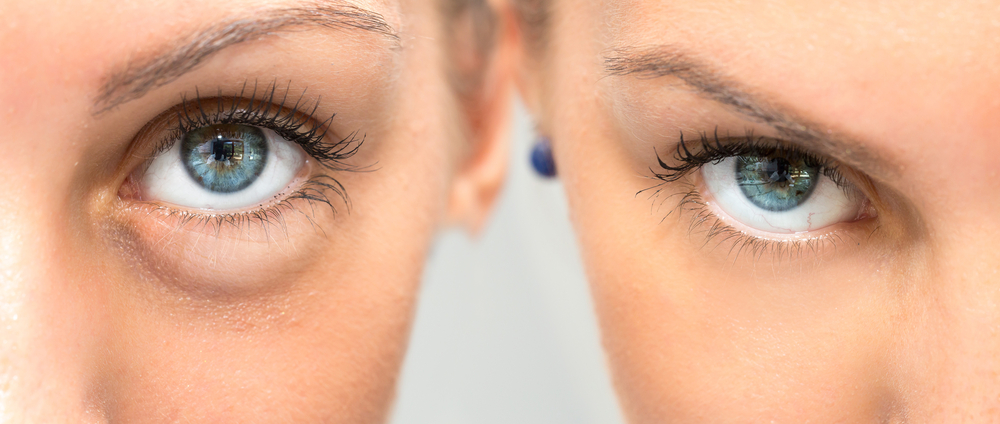
Here's the honest truth: Botox under the eyes doesn't directly eliminate dark circles caused by pigmentation or visible blood vessels. However, it can help in certain situations. When dark circles are made worse by fine lines or wrinkles under the eyes, Botox can smooth out these textural issues, making the overall area appear brighter and less shadowed.
The treatment works best for people whose dark circles are primarily related to:
- Muscle movement and creasing
- Fine lines that create shadows
- Skin texture issues, rather than pure discoloration
If your dark circles are mainly caused by genetics or hyperpigmentation, you might need to combine Botox with other treatments or explore different options altogether.
Botox for Under Eye Bags
When it comes to puffiness, Botox for under-eye bags works through a clever mechanism. By relaxing the muscle that sits just below the eye, skilled practitioners can sometimes achieve a slight lifting effect. This can make bags less prominent and create a smoother transition between the lower eyelid and cheek.
However, Botox won't eliminate bags caused by actual fat deposits or significant skin laxity. The key is having a thorough consultation with a qualified professional who can honestly assess whether Botox is likely to give you the results you're hoping for.
The Procedure: What to Expect
If you decide to move forward with under eye botox, knowing what happens during and after treatment can ease any concerns.
Initial Consultation
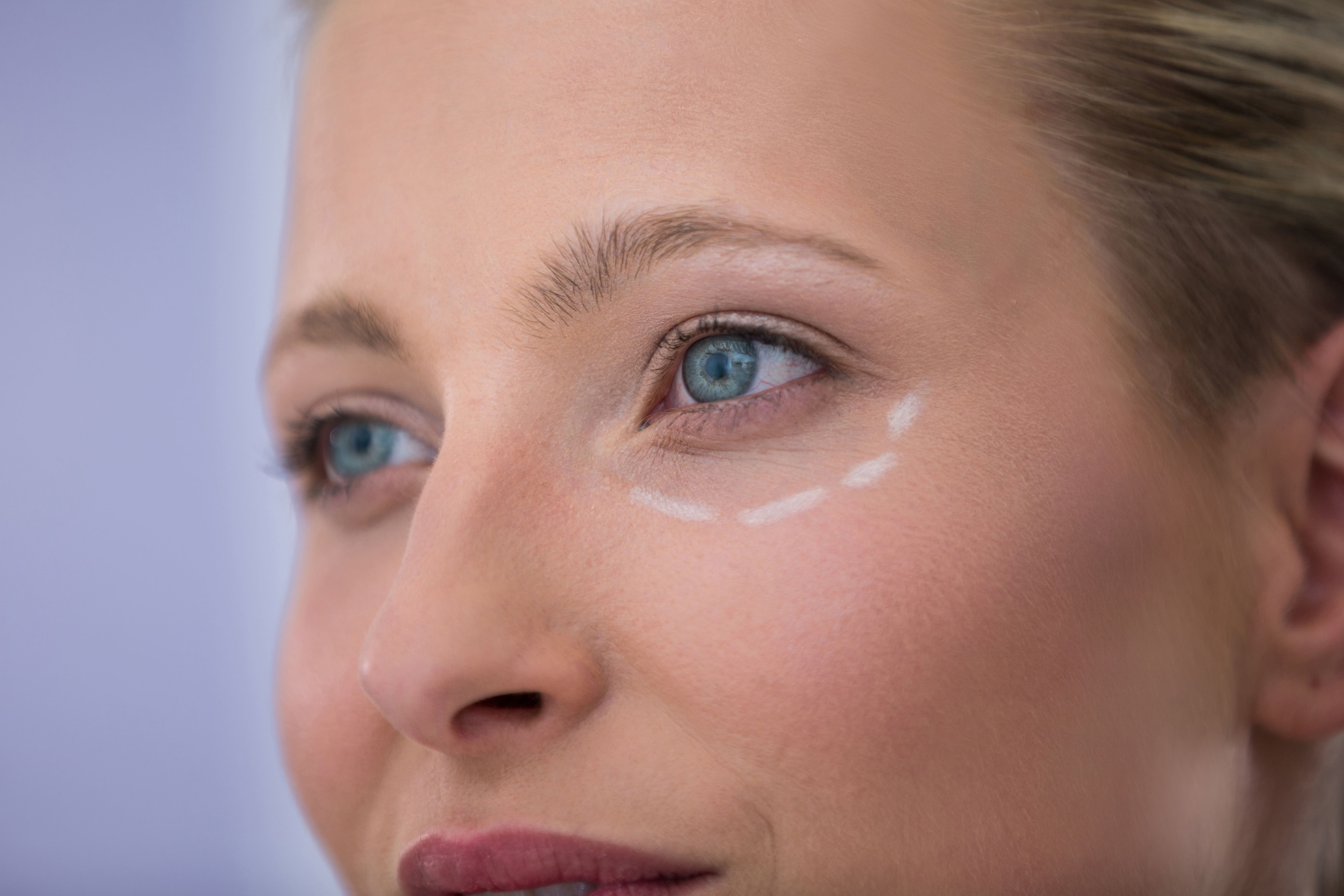
Your first appointment should involve a detailed discussion about your concerns, medical history, and goals. A reputable practitioner will examine your under-eye area, assess skin quality, and determine whether Botox is the right option.
The Botox Injection Process
The actual procedure is surprisingly quick, usually taking less than 15 minutes:
- The area is cleaned and sometimes numbed with a topical anesthetic
- Your practitioner injects small amounts of Botox at strategic points around the under-eye area
- You might feel a slight pinch or pressure, but most people find it tolerable
The injector's skill matters enormously here. The under-eye area is delicate, and improper placement can lead to complications.
Aftercare and Recovery
Recovery from botox under eyes is minimal. Most practitioners recommend:
- Avoiding rubbing or touching the treated area for at least 24 hours
- Staying upright for several hours after treatment
- Skipping intense exercise for the first day
Results typically appear gradually over 3-7 days and can continue improving for up to two weeks. The effects usually last 3-4 months, after which you'll need maintenance treatments.
Comparing Botox to Other Treatments for Dark Circles and Under Eye Bags
Understanding your options helps you make the best choice for your specific situation.
Botox vs. Fillers
While both are injectable treatments, they work differently. Fillers add volume to hollow areas under the eyes, literally filling in the space where shadows form. They're often better for treating dark circles caused by volume loss. Botox works by relaxing muscles and smoothing texture. Many people actually benefit from combining both treatments for comprehensive results.
Botox vs. Laser Treatments
Laser therapies target pigmentation and skin texture through controlled damage that stimulates collagen production. They're generally better for addressing actual discoloration rather than structural issues. Botox for under-eye bags won't improve pigmentation the way lasers can, but lasers also won't address muscle-related concerns.
Botox vs. Surgery
Surgical options like blepharoplasty permanently remove excess skin and fat, providing dramatic results for severe under-eye bags. Key differences include:
- Downtime: Surgery requires recovery time; Botox has minimal downtime
- Results: Surgery offers permanent changes; Botox requires maintenance
- Cost: Surgery is more expensive upfront; Botox costs accumulate over time
- Risk: Surgery involves more significant risks; Botox has fewer complications
Finding Your Solution
The reality is that Botox under eyes isn't a universal fix for everyone struggling with dark circles and puffiness. Its effectiveness depends heavily on what's causing your under-eye concerns in the first place. For people whose issues stem from fine lines, muscle activity, or minor structural concerns, it can provide noticeable improvements with minimal risk and downtime.
The most important step is consulting with a qualified, experienced practitioner who can honestly evaluate whether you're a good candidate. When performed correctly by skilled hands, under eye botox can be part of an effective strategy for achieving a more refreshed, rested appearance. Just remember that no single treatment works for everyone, and the best approach often involves addressing your unique concerns with the right combination of options.