Login Form
Registration
Profile Informations
Login Datas
or login
Is Trapezius Botox the Key to Easing Muscle Tension in Your Neck and Shoulders?
Is Trapezius Botox the Key to Easing Muscle Tension in Your Neck and Shoulders?
That dull ache between your shoulder blades has become your unwanted companion. It starts around mid-morning, creeps up your neck by lunch, and by evening, your shoulders feel like they're carrying concrete blocks. You've tried massage, heat packs, and stretching, but the tension keeps coming back.
Muscle tension in the neck and shoulders affects millions of people, turning simple tasks into uncomfortable challenges. Hours hunched over a laptop, stress that makes you unconsciously pull your shoulders up, or poor sleeping positions all contribute to the problem.
The trapezius muscle—that large, diamond-shaped muscle spanning your upper back and neck—bears the brunt of it all. When traditional treatments fall short, some people are turning to Botox injections in the trapezius muscle as an alternative solution.

What is Trapezius Botox?
Before we get into how this treatment works, let's talk about what we're actually dealing with.
Explanation of the Trapezius Muscle
The trapezius muscle is a powerhouse that does more work than you probably realize. It runs from the base of your skull down to the middle of your back and stretches across to both shoulders. This muscle helps you shrug, keeps your head upright, and supports your shoulder blades when you move your arms.
When you're stressed or sitting with poor posture for extended periods, the trapezius tightens up and can develop painful knots or trigger points. Over time, this chronic tension can lead to headaches, restricted movement, and a constant feeling of discomfort that affects your quality of life.
How Botox Works
Botox is a purified protein derived from botulinum toxin type A. When injected into a muscle, it temporarily blocks the nerve signals that tell that muscle to contract. This isn't about paralyzing the muscle completely—it's about calming down overactive muscle fibers that are stuck in a state of constant tension. The muscle can still function, but it relaxes from its chronically tight state. Originally approved for medical conditions involving muscle spasms, Botox has proven effective for various therapeutic purposes beyond cosmetics.
Trapezius Botox for Muscle Tension
When doctors inject Botox into the trapezius, they're targeting specific areas where the muscle is most tense or overworked. The goal is to reduce the involuntary contractions that create stiffness and pain. By relaxing the muscle, trapezius botox can provide relief that lasts for several months. This approach has gained attention from people who haven't found lasting results with physical therapy, massage, or pain medications alone.
How Botox for Trapezius Works to Ease Muscle Tension
Understanding the treatment process can help you know what to expect if you're considering this option.
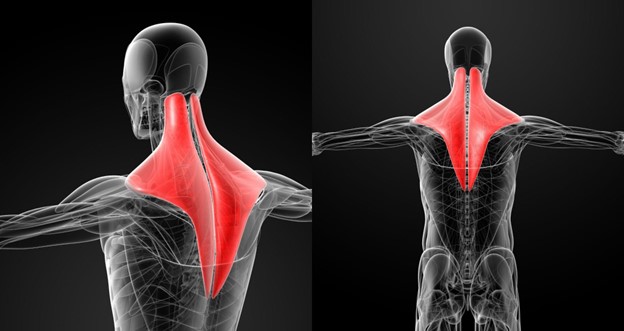
Injection Process for Trapezius Botox
The procedure itself is relatively quick and straightforward. A trained medical professional will identify the areas of your trapezius muscle that are most tense, often by feeling for tight bands or knots. Using a very fine needle, they inject small amounts of Botox into multiple points across the muscle.
The number of injection sites varies depending on the extent of tension and the size of the area being treated. Most people describe the sensation as similar to a small pinch—uncomfortable but brief. The entire appointment typically takes about fifteen to thirty minutes, and you can usually return to your normal activities right after.
Onset of Results
Don't expect instant relief. Botox for the trapezius doesn't work immediately as a pain medication would. The effects begin to appear gradually over several days as the Botox starts to block nerve signals to the muscle. Most people notice a significant reduction in tension within one to two weeks after treatment.
The full effect usually develops by the two-week mark. The results typically last between three and six months, after which the nerve signals gradually return, and the muscle regains its full strength. Many people choose to have follow-up treatments to maintain the relief they've experienced.
Targeted Relief
One of the advantages of Botox trapezius injections is precision. Instead of taking medication that affects your entire body, the treatment works exactly where you need it. The practitioner can focus on the specific areas of tightness while leaving other parts of the muscle unaffected. This targeted approach means you're less likely to experience systemic side effects, and the treatment can be customized to your particular pattern of muscle tension.
Potential Side Effects and Risks of Trapezius Botox
Like any medical treatment, using Botox for muscle tension comes with possible side effects that you should understand before proceeding.
Common Side Effects
Most side effects are mild and temporary. After receiving trapezius Botox, you might experience:
- Soreness or bruising at the injection sites, which typically fades within a few days
- A feeling of heaviness or weakness in the treated area as the muscle relaxes
- Headaches in the days following treatment, though they usually resolve quickly
- Temporary neck stiffness or difficulty with certain movements, particularly in the first week or two
These effects generally improve as your body adjusts to the treatment and are considered normal responses to the injections.
Rare but Serious Risks
While uncommon, more serious complications can occur. If Botox spreads beyond the intended treatment area, it could affect nearby muscles and cause difficulty swallowing or breathing. This is why choosing an experienced injector who understands the anatomy of the neck and shoulder region is crucial. Allergic reactions are possible but rare.
There's also a small risk of excessive muscle weakness if too much Botox is used or if it's injected into the wrong location. People with certain neuromuscular disorders face additional risks and should discuss these thoroughly with their doctor.
Post-Treatment Care
After receiving Botox for the trapezius, your doctor will likely give you specific instructions to follow:
- Avoid lying down for a few hours after the injection to prevent Botox migration
- Refrain from massaging or putting pressure on the treated area for the first day
- Skip strenuous exercise and activities that strain the neck and shoulders for at least 24 hours
- Keep the injection sites clean and watch for any signs of infection or unusual reactions
Following these guidelines helps ensure the best possible outcome and reduces the risk of complications.

Who Should Consider Trapezius Botox for Muscle Tension?
This treatment isn't for everyone, and determining whether it's appropriate for you requires careful consideration.
Ideal Candidates for Botox for Trapezius
The best candidates for this treatment are people who experience chronic muscle tension in the trapezius that hasn't responded well to conservative treatments. If you've tried physical therapy, regular massage, posture correction, stress management, and anti-inflammatory medications without getting lasting relief, Botox for the trapezius might be worth exploring. People who have overactive trapezius muscles due to stress-related tension or repetitive strain often respond well to this treatment.
Those who prefer a non-surgical option with minimal downtime might also find this approach appealing. Additionally, if your muscle tension is localized to specific areas of the trapezius rather than widespread throughout your upper body, targeted injections can be particularly effective. You should be in generally good health and have realistic expectations about what the treatment can achieve.
Who Should Avoid Trapezius Botox
Certain individuals should steer clear of this treatment:
- Pregnant or breastfeeding women, due to unknown effects on the developing baby or infant
- People with neuromuscular conditions such as myasthenia gravis or Lambert-Eaton syndrome
- Those allergic to any ingredients in Botox formulations
- Individuals taking certain medications, particularly antibiotics like aminoglycosides or muscle relaxants
- Anyone with an active infection near the proposed injection site
- People whose muscle tension is caused by underlying structural problems, such as herniated discs or arthritis
- Athletes or workers who need full strength and function in their trapezius muscles
- Those looking for a permanent solution, as the effects are temporary and require repeated treatments
If you fall into any of these categories, discuss alternative treatment options with your healthcare provider.
Summary of Trapezius Botox Benefits
So, what does Botox trapezius actually offer to those dealing with stubborn neck and shoulder tension? The treatment provides several months of relief from chronic muscle tightness without surgery or daily medication. It targets the problem directly at the source—the overactive muscle fibers—rather than just masking pain. The procedure itself is quick with minimal downtime, allowing most people to continue with their regular schedule immediately afterward.
For individuals who've exhausted other options without success, trapezius Botox represents a middle ground between conservative treatments and more invasive interventions. Many people find that the relief allows them to participate more fully in physical therapy or exercise programs that would have been too uncomfortable before.
However, it's important to keep expectations realistic—this isn't a cure for the underlying causes of muscle tension. If poor posture, stress, or repetitive movements created the problem, those factors still need to be addressed for long-term improvement.
Deciding whether Botox for trapezius is right for you requires an honest conversation with a qualified medical professional who can evaluate your specific situation and help you weigh the potential benefits against the risks and costs.