Login Form
Registration
Profile Informations
Login Datas
or login
Smooth Out Crow's Feet: Why Botox Injections Are the Go - To Treatment
Smooth Out Crow's Feet: Why Botox Injections Are the Go-To Treatment
Look in the mirror and smile. Those little lines that fan out from the corners of your eyes tell a story of laughter, squinting in the sun, and years of facial expressions. While some people wear their crow's feet with pride, others feel they add unwanted years to their appearance. If you're in the latter group, you're not alone in seeking a solution.
Crow's feet are among the most common aging concerns people bring up with dermatologists and cosmetic specialists. These fine lines can appear earlier than you'd expect, sometimes showing up in your late twenties or early thirties. The good news? Botox has become the leading treatment option for smoothing these wrinkles, offering real results without surgery or extended downtime.
This guide breaks down everything you need to know about using Botox for crow's feet, from how it works to what happens during treatment and how much you'll typically need.
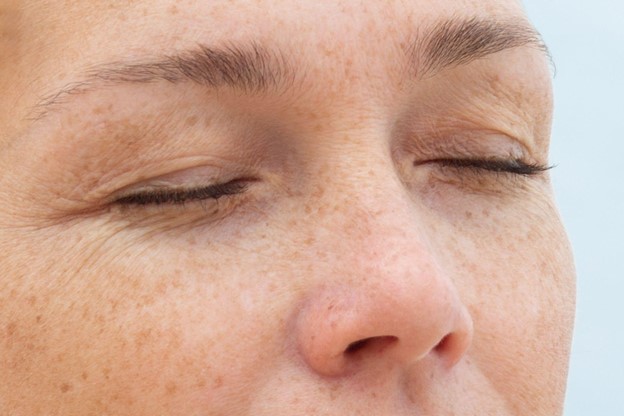
What Are Crow's Feet?
The delicate skin around your eyes is often the first place to show signs of aging. Crow's feet are the fine lines and wrinkles that radiate outward from the outer corners of your eyes, resembling the foot of a bird—hence the name. They typically become more noticeable when you smile, laugh, or squint.
Anatomy of Crow's Feet
The area around your eyes has thinner skin compared to the rest of your face. This region also lacks sebaceous glands, making it prone to dryness and wrinkle formation. The orbicularis oculi muscle surrounds each eye, and every time you smile or squint, this muscle contracts. Over time, repeated muscle movements combined with decreased collagen production create permanent creases in the skin.
Factors That Contribute to Crow's Feet
Several elements work together to create these telltale lines:
- Repetitive facial expressions: Smiling, laughing, and squinting cause the muscles around your eyes to contract thousands of times daily
- Sun exposure: UV rays break down collagen and elastin, accelerating wrinkle formation
- Aging: As you get older, your skin produces less collagen and becomes thinner
- Smoking: This habit restricts blood flow and damages skin elasticity
- Genetics: Some people are simply more prone to developing wrinkles earlier
Why People Seek Treatment
Crow's feet can make you look tired or older than you feel. Many people pursue treatment because these lines affect their confidence in professional settings or social situations. Others simply want their outer appearance to match their inner vitality. Whatever the reason, the desire for smoother, more youthful-looking skin around the eyes has made crow's feet treatment one of the most requested cosmetic procedures.
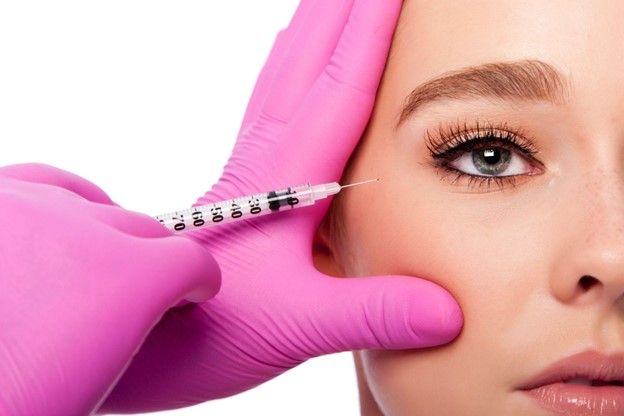
Botox for Crow's Feet: The Basics
Botox has transformed the way people approach facial wrinkles. Understanding how this treatment works helps explain why it's become so widely accepted.
How Botox Works
Botox contains a purified protein called botulinum toxin type A. When injected in small amounts into specific facial muscles, it temporarily blocks nerve signals that tell those muscles to contract. For crow's feet, this means the muscles responsible for creating those wrinkles relax, allowing the overlying skin to smooth out.
The treatment doesn't paralyze your face—it simply reduces the intensity of muscle contractions that cause wrinkles.
FDA Approval
The FDA approved Botox for cosmetic use in treating crow's feet in 2013, though doctors had been using it off-label for this purpose for years before that. This approval came after clinical studies demonstrated its safety and effectiveness for reducing the appearance of lateral canthal lines (the medical term for crow's feet). The FDA's endorsement gave many people additional confidence in choosing this treatment.
Why Botox Is So Popular
Several factors have contributed to Botox becoming the preferred treatment for crow's feet:
- Quick results: Most people notice improvement within a few days, with full results appearing in about two weeks
- Minimal downtime: You can return to normal activities immediately after treatment
- Proven track record: Millions of procedures have been performed safely over the past two decades
- Non-surgical: No incisions, anesthesia, or recovery period required
The popularity of Botox for crow's feet continues to grow as more people discover its benefits and share their positive experiences.
Botox Injections for Crow's Feet: The Procedure
What to Expect During the Procedure
Your appointment will start with a consultation where your provider examines your crow's feet and discusses your goals. They'll ask you to make certain facial expressions to see how your muscles move and determine the best injection points. The actual treatment involves several small injections around the outer corner of each eye.
Your provider will use a very fine needle to inject the Botox directly into the targeted muscles. The precision of Botox injections for crow's feet ensures that only the intended muscles are affected.
Pain and Discomfort
Most people describe the sensation as a slight pinch or sting that lasts only a second or two per injection. The needles used are extremely thin, which minimizes discomfort. Some providers offer ice or numbing cream beforehand if you're concerned about sensitivity, though many people find these unnecessary. Any mild discomfort typically fades within minutes of completing the injections.
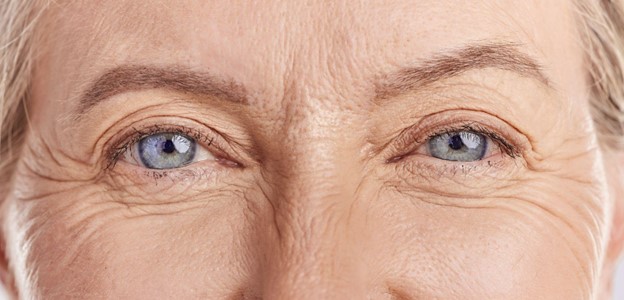
Duration of the Procedure
The entire treatment usually takes 10 to 20 minutes. You'll spend more time discussing your goals and filling out paperwork than actually receiving the injections. This quick turnaround makes it easy to schedule during a lunch break or between errands. After your Botox injections for crow's feet are complete, you can leave immediately with minimal restrictions.
How Many Units of Botox for Crow's Feet?
Typical Unit Dosage
The standard amount ranges from 12 to 24 units total for both eyes, with each side receiving 6 to 12 units. This range covers most adults seeking treatment for moderate crow's feet. The amount your provider uses depends on the severity of your wrinkles and the strength of your facial muscles. Men often need higher doses than women due to having stronger facial muscles.
Factors Influencing Botox Dosage
Your provider considers several variables when determining how many units of Botox for crow's feet you'll need:
- Muscle strength: Stronger muscles require more units to achieve the desired relaxation
- Wrinkle depth: Deeper, more established lines may need slightly higher doses
- Previous treatments: If you've had Botox before, your provider can adjust based on your past response
- Individual anatomy: Everyone's facial structure is unique, affecting how Botox disperses
Consultation for Customized Dosage
A proper consultation ensures you receive the right amount for your specific needs. During this discussion, be honest about your expectations and any previous cosmetic treatments. Your provider should explain their recommended dosage and show you where they plan to inject.
Understanding how many units of Botox for crow's feet you'll receive helps you feel confident about the treatment plan. Some people need touch-ups two weeks after their initial treatment if certain areas need more attention.
Benefits Beyond Smoothing Wrinkles
Treating crow's feet with Botox offers advantages beyond just reducing wrinkles. Many people report feeling more confident in photographs and during video calls. The treatment can also help prevent new wrinkles from forming by reducing repetitive muscle movements. Since results are temporary, you have the flexibility to adjust your treatment plan over time based on your changing preferences and needs.
The natural-looking results are another major draw. When administered properly, Botox for crow's feet softens lines without creating a frozen or artificial appearance. You'll still be able to express emotions naturally—you just won't see as many wrinkles when you do.
Side Effects and Safety Considerations
While generally safe, Botox can cause minor side effects. The most common include temporary bruising, swelling, or redness at injection sites. Some people experience mild headaches that resolve within a day or two. Rarely, the product can migrate slightly, causing temporary drooping of the eyelid. Choosing an experienced, qualified provider significantly reduces the risk of complications.
Certain people should avoid Botox, including pregnant or nursing women and individuals with specific neurological conditions. Your provider will review your medical history to ensure the treatment is appropriate for you.
Maintaining Your Results
Botox results typically last three to four months. As the effects gradually wear off, muscle activity returns and wrinkles slowly reappear. Most people schedule maintenance treatments every three to six months to keep their results consistent. Over time, some notice they need fewer units or can space treatments further apart as muscles adapt to being less active.
Between treatments, protecting your skin from sun damage and maintaining good skincare habits can help prolong your results and support overall skin health.
Summary of Botox for Crow's Feet
Botox injections for crow's feet have earned their reputation as the leading treatment for these common wrinkles. The procedure offers a combination of effectiveness, safety, convenience, and natural-looking results that few other options can match.
With minimal downtime and a well-established safety profile, it's no wonder so many people choose this treatment to address the lines around their eyes. Whether you're bothered by early signs of aging or deeper wrinkles, Botox provides a reliable solution that helps you look as vibrant as you feel.