Login Form
Registration
Profile Informations
Login Datas
or login
What Are the Risks of Botox for Migraines? A Guide to Side Effects and Injection Sites
What Are the Risks of Botox for Migraines? A Guide to Side Effects and Injection Sites
Chronic migraines can turn everyday life into a constant battle. When traditional medications fall short, many people find themselves exploring alternative treatments. Botox has emerged as one such option, offering hope to those who've tried everything else without success. But like any medical treatment, it comes with its own set of considerations that deserve careful attention.
This guide takes an honest look at what you should know before choosing Botox to treat migraines. We'll walk through the potential side effects, explain exactly where the injections go, and help you understand both the benefits and the risks involved.

Overview of Botox for Migraines
Most people associate Botox with cosmetic procedures, but its medical applications extend far beyond smoothing wrinkles. The FDA approved Botox for treating chronic migraines back in 2010, and since then, it's become a valuable tool for people who experience headaches fifteen or more days per month.
The treatment involves multiple small injections around the head and neck area. Unlike pain relievers that you take when a migraine starts, Botox works as a preventive measure. Patients typically receive treatments every twelve weeks, and many report a noticeable reduction in both the frequency and severity of their migraines after a few treatment cycles.
How Botox Works to Treat Migraines
Mechanism of Action
Botox contains a purified form of botulinum toxin type A. When injected into specific muscles, it temporarily blocks the release of certain chemicals involved in pain transmission. Think of it as interrupting the pain signals before they can trigger a full-blown migraine attack.
The medication relaxes the muscles where it's injected, but more importantly, it affects the nerve endings in those areas. Research suggests that Botox prevents the activation of pain networks in the brain. It essentially creates a barrier that stops migraine headaches from forming in the first place.
FDA Approval for Migraines
The approval process for Botox to treat migraines was thorough and based on multiple clinical trials. These studies specifically focused on adults suffering from chronic migraines, defined as experiencing headaches on at least fifteen days per month, with each headache lasting four hours or more.
The FDA's approval only covers chronic migraines, not episodic ones. This distinction matters because the treatment protocol and expected outcomes differ significantly between these two conditions. Patients with episodic migraines, who experience fewer than fifteen headache days per month, typically aren't candidates for this treatment.
Common Botox for Migraines Side Effects
General Side Effects
When discussing Botox for migraines side effects, it's important to start with the most common reactions. Many patients experience neck pain or stiffness following their injections. This usually resolves within a few days but can be uncomfortable initially.
Headaches themselves can occur after treatment, which might seem counterintuitive given the purpose of the injections. Some people also report feeling tired or weak for a short period. Muscle weakness near the injection areas is another frequent complaint, though it's typically mild and temporary.
Other commonly reported issues include:
- Drooping eyelids that can affect vision temporarily
- Dry mouth that makes swallowing slightly uncomfortable
- Muscle spasms or tightness in areas adjacent to injection sites
- Bruising or redness at the injection points
- Cold-like symptoms, including a sore throat or a runny nose
More Serious Side Effects
While less common, some Botox for migraines side effects require immediate medical attention. Difficulty swallowing or breathing can occur if the toxin spreads beyond the intended treatment area. This is rare but potentially serious.
Vision problems beyond simple eyelid drooping might include blurred or double vision. Some patients experience severe muscle weakness that goes beyond the mild discomfort most people feel. Allergic reactions, though uncommon, can manifest as itching, rash, or difficulty breathing.
Loss of bladder control has been reported in isolated cases, as have speech difficulties. These side effects don't happen to most people, but knowing they're possible helps you recognize when something needs medical evaluation.
Temporary Side Effects
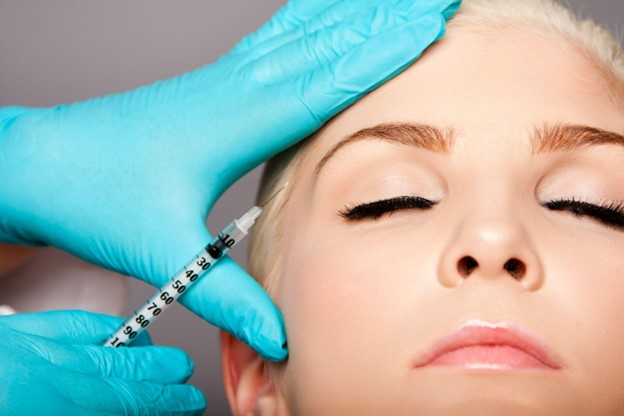
Most Botox for migraines side effects fade within days or weeks. The injection site might feel tender or look slightly swollen immediately after treatment. Small bruises can appear where the needle entered the skin, but these typically disappear quickly.
Some people feel a mild headache for a day or two following their session. Facial expressions might feel slightly restricted if injections were placed near certain muscles. These temporary changes resolve as your body adjusts to the treatment.
Injection Sites for Botox to Treat Migraines
Botox Injection Site Locations
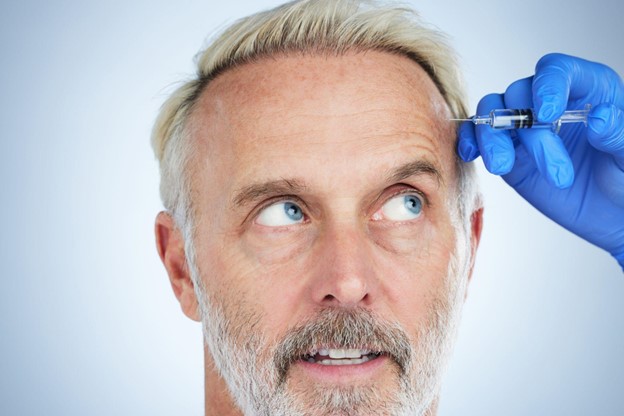
Understanding the Botox for migraines injection sites helps demystify the treatment process. A standard protocol involves thirty-one injections distributed across seven key muscle areas. The forehead receives several injections along the hairline and above the eyebrows.
The temples get attention on both sides, with injections placed in the muscles that can contribute to tension headaches. Moving down, the back of the head, where the skull meets the neck, receives multiple injections. This area often holds significant tension for migraine sufferers.
The neck itself is another crucial zone, with injections going into the muscles along the sides and back. The shoulders, particularly the upper trapezius muscles, round out the treatment areas. Each Botox for migraines injection site serves a specific purpose in the overall prevention strategy.
Why These Sites?
The choice of Botox for migraine injection sites isn't random. These locations correspond to muscles and nerves frequently involved in migraine pain pathways. The trigeminal nerve, which plays a major role in migraine pain, has branches that extend through many of these areas.
By targeting these specific muscles, doctors aim to reduce the muscle tension that can trigger migraines. The injections also address nerve pathways that carry pain signals. Together, these effects create a comprehensive approach to prevention rather than just treating symptoms.
Pain or Discomfort During Treatment
Getting Botox to treat migraines involves some discomfort, though most people find it tolerable. The needles used are very fine, similar to those for diabetes injections. Each injection feels like a small pinch or sting that lasts just a second.
The entire session typically takes about fifteen minutes. Some areas are more sensitive than others—the forehead and neck tend to be less uncomfortable, while the back of the head might feel more tender. Doctors can apply numbing cream beforehand if you're particularly concerned about pain.
Potential Risks Associated with Botox for Migraines
Injection Site Reactions
Beyond the immediate side effects, injection site reactions can develop over the first few days after treatment. Redness and swelling are the most common issues. The skin might feel warm to the touch around where the needle went in.
Infection at the injection site is possible but rare when proper sterile techniques are followed. Watch for increasing pain, warmth, or pus, which would indicate a problem needing medical attention. Most reactions clear up without intervention.
Spread of Toxin
One of the more serious concerns with Botox to treat migraines involves the potential spread of the toxin beyond the intended injection areas. When this happens, it can affect muscles you didn't mean to target. Symptoms might include difficulty swallowing, speaking, or breathing.
This complication is uncommon but serious enough that the FDA requires a black box warning on Botox products. The risk increases if injections aren't placed correctly or if too much product is used. Choosing an experienced provider significantly reduces this risk.
Signs of toxin spread can appear hours or even weeks after treatment. Muscle weakness that seems to be moving or spreading requires immediate medical evaluation. Problems with coordination or controlling your movements also warrant urgent attention.
Other Neurological Risks
It's worth mentioning that neurological issues go beyond just the toxin spreading. Some folks mention ongoing headaches that just don't feel like their regular migraines. You might also experience dizziness or vertigo, which can make it tough to keep your balance.
Sometimes, you'll notice sensory changes like numbness or tingling in the spots where you got injections. These feelings usually clear up, but in very rare situations, they might stick around. We've also heard about cognitive stuff, like feeling confused or having trouble focusing. It's not always clear, though, if these are directly from the treatment or something else entirely.
There have been documented cases of seizures, but these are super rare. The link to Botox isn't always clear in those situations, but it's a good idea to chat with your doctor about it, especially if you've had seizures before. On top of the eyelid drooping we talked about, you might see other vision problems, like being more sensitive to light or noticing changes in how you see colors.
We're still looking into how Botox connects to mental health symptoms. Some people report mood swings or feeling more anxious. But it's tricky to say for sure that Botox is the direct cause. Depression symptoms have popped up in a few cases too, but again, it's not completely obvious if Botox is the one making that happen.
Summary of Botox Risks and Benefits
Botox injections to treat migraines can bring real relief to many people who deal with ongoing headaches. This approach can make migraines less frequent and less intense when they do strike. It's a worthwhile option to think about for those who haven't had luck with regular medicines.
Keep in mind, though, that choosing Botox for migraines isn't a decision to make. The side effects can range from small annoyances to serious problems. Most folks handle the treatment fine, but knowing what might happen helps you decide if it's the right choice for you.
It's crucial to work with a skilled doctor who knows how to inject Botox for migraines. They can look at your specific case, tell you what to expect, and keep an eye out for any worrying reactions. The main thing is to weigh the possible good against the known risks based on your own health history and needs.
If you're thinking about trying this treatment, have a straightforward talk with your doctor about what's worrying you. Ask them how much experience they have, what side effects their patients have had, and how they deal with problems if they come up. Getting all the facts helps you feel sure about whatever choice you make to handle your migraines.