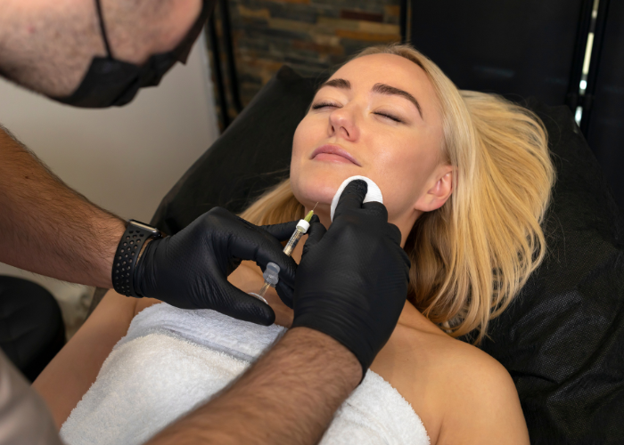
Derma fillers are one of the most popular aesthetic treatments out there. Whether it's lip fillers, cheek fillers, temple fillers, or tear trough fillers, they are a top choice for patients seeking non-surgical aesthetic treatments. They do a fantastic job of adding volume to the skin, drastically reducing the appearance of wrinkles and helping plump up the lipline too. But simply dermal fillers are just a gel (natural or synthetic). Injected into the dermis layer of the skin, the filler plumps the skin from the inside out and works in place of lost fat and proteins to smooth lines and wrinkles and volumize hollow areas. Dermal filler can also be administered directly into the lip tissue to plump and enhance their appearance.
There are two types of dermal fillers - Hyaluronic acid and Poly-Caprolactone.
Hyaluronic acid is a natural substance found in the skin. Capable of holding 1000x its weight in water, Hyaluronic facial fillers are the most common dermal fillers. They help to plump, maintain shape and hydrate the skin.
Poly-Caprolactone fillers are also known as Ellanse or Radiesse, it can help naturally stimulate collagen when injected strategically into facial areas.
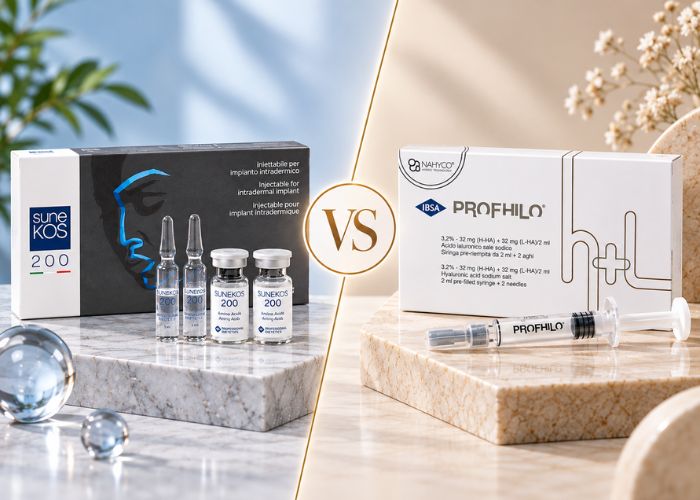
It’s easy to find different types of dermal filler substances, some of them are temporary, some longer-lasting, some thinner, some thicker, there is a big choice on the market. Some semi-permanent brands of filler - including Sculptra, Ellanse, and Radiesse - work by not only filling out lines and wrinkles but by also stimulating the body’s own collagen production. These fillers usually last upwards of one year. Speaking of Radiesse we should mention that Radiesse is the only calcium hydroxylapatite filler that's FDA approved for use in the lower face and hands.
Brands like Juvederm, Restylane, Sculptra are more popular on the market. They are hyaluronic acid fillers and last from 6 to 18 months, depending on the brand and area injected. A naturally-occurring substance produced by the body, hyaluronic acid is a prized skincare ingredient which has huge hydrating abilities.
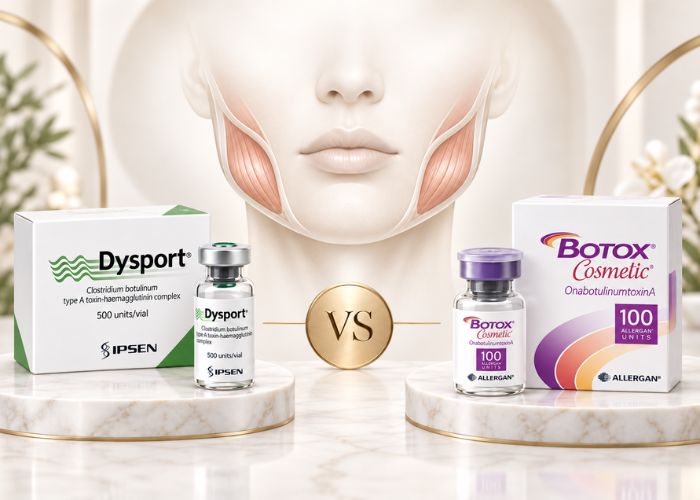
One of the most common questions is: is there a difference between dermal fillers and Botox? The answer is yes, there is. Dermal fillers are injected below wrinkles to plump and smooth skin for a youthful look. Botox freezes small muscles to prevent them from making movements which cause wrinkles.
Although dermal fillers are regarded as a safe aesthetic procedure, they are not suitable for:
-Breastfeeding mums
-Pregnant women
-People with autoimmune diseases
We can expect side effects of swelling and redness for a short period of time. Itching, bruising, and tenderness may also occur at the injection location afterwards.